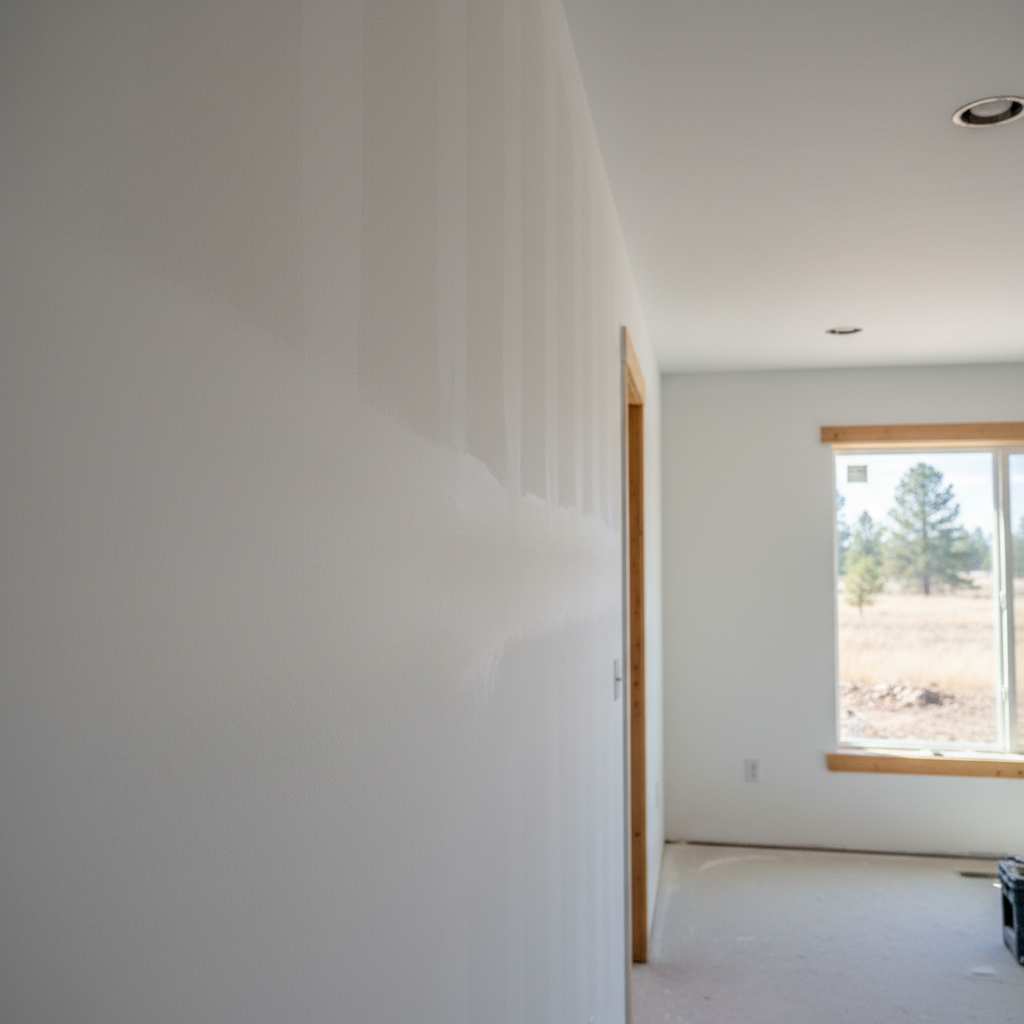
Do You Really Need to Prime That Drywall?
Look, I get it. You've just finished patching, sanding, and maybe even hanging new drywall in your Eagle home. You're tired, dusty, and all you want to do is slap some paint on it and call it a day, right? But hold your horses for a minute. Skipping primer on drywall is like building a custom home on a shaky foundation — it's just not going to hold up the way you want it to. And trust me, as someone who's seen a lot of drywall in this town, from the older homes near the Boise River to the newer builds up by Legacy Park, I can tell you that proper priming makes all the difference. It really does.
Why bother, you ask? Well, new drywall, joint compound, and even those little patches you made are super porous. They'll soak up paint like a sponge, and not evenly either. That means you'll end up with blotchy, dull spots, and honestly, you'll probably need way more coats of paint than you planned, costing you more time and money. Primer seals all that up, creating a uniform surface so your paint looks consistent and professional. That's the goal.
Before You Even Think About Opening That Primer Can
Preparation is key, folks. Don't rush this part. It's the difference between a job you're proud of and one you'll be staring at, wishing you'd done it right. We've all been there.
- Inspect and Repair: Go over every inch of your drywall. Fill any holes, cracks, or dents with joint compound or spackle. Let it dry completely, then sand those areas smooth. You want the surface to be as flat and smooth as possible. For bigger issues, like large holes or extensive water damage, you might want to call a pro. Minor repairs are usually fine for DIY, but if you're dealing with structural stuff or anything beyond a small patch, get an expert in. Mistakes get made when you try to tackle too much.
- Clean, Clean, Clean: Drywall dust gets everywhere, and paint doesn't like dust. After sanding, wipe down all surfaces with a damp cloth or sponge to remove every speck. You can even use a Shop-Vac to get the bulk of it. Make sure the walls are completely dry before moving on. This step is often overlooked.
- Protect Your Space: Lay down drop cloths. Move furniture out of the way or cover it. Use painter's tape to mask off trim, windows, and ceilings. You don't want primer where it doesn't belong, which happens more than you'd think.
Choosing the Right Primer for Your Project
This isn't a one-size-fits-all deal. Different situations call for different primers. For new, bare drywall, a PVA (polyvinyl acetate) primer is usually your best bet. It's specifically designed to seal those porous surfaces and create a consistent base for your topcoat. It's also generally the most cost-effective option, which is always a plus.
However, if you're dealing with:
- Repairs or mixed surfaces: Say you've got some new drywall patches next to old painted walls. An acrylic latex primer is more versatile and will bond well to both. Some pros, like me, even prefer a good quality all-purpose primer like Zinsser 1-2-3 for both new drywall and repairs because it's so reliable.
- Stains or odors: Water stains, smoke damage, or pet odors? You'll need a stain-blocking primer, often oil-based or shellac-based. PVA won't block these. These are heavy-duty and usually overkill for just new drywall.
- Glossy surfaces: If you're painting over something slick, a bonding primer is what you need for adhesion.
Don't fall for the