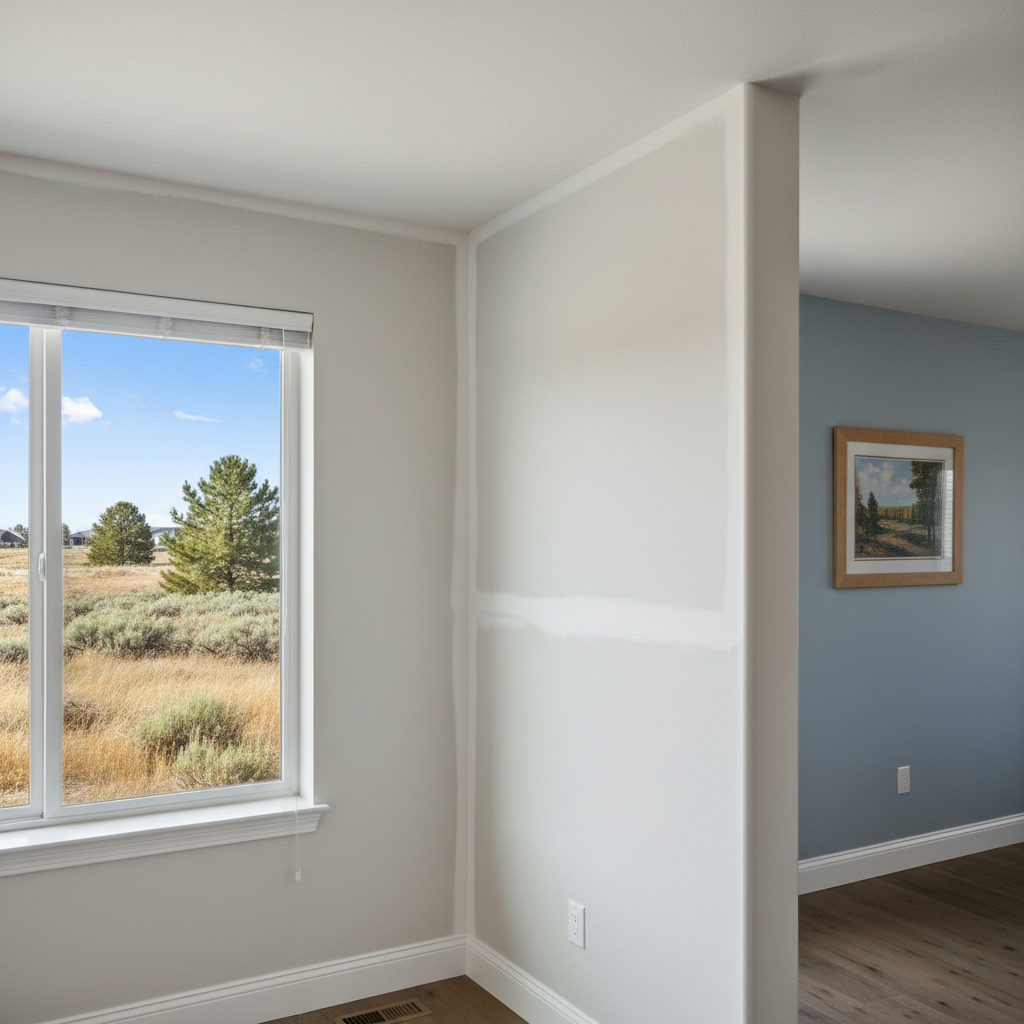
So, you've got a drywall repair done. Now what?
You've patched that hole, fixed that crack, or smoothed out that ding. Good job. But getting the repair done? That's really only half the battle. If you want that fix to actually stick around and blend in with your walls for years, you've got to give it a little care. I see too many people get a repair done, then just forget about it until a new problem pops up right next to the old one. Let's talk about keeping those repairs solid, especially here in Eagle where our weather can be, well, quite the character.
Making Your Drywall Repairs Last Longer
The biggest thing you can do to make a repair last is to tackle whatever caused the damage in the first place. A lot of drywall issues aren't just random accidents. Often, they're clues that something else is going on. For instance, if you had a crack near a window, was it just the house settling, or was a draft causing big temperature swings that stressed the wall? If it was water damage, did you actually fix the leak? Sounds obvious, I know, but you'd be surprised how often folks just patch the wall without fixing the plumbing problem behind it.
- Keep humidity in check: Our summers can get really dry, and winters can be pretty damp. Drywall doesn't like those extreme swings. If you've got a humidifier or dehumidifier, use it. Try to keep your indoor humidity level consistent, usually somewhere between 30-50%. This stops the drywall from expanding and contracting too much, which can stress repairs and cause new cracks.
- Watch your vents: Don't block heating or AC vents with furniture. Uneven heating or cooling can create temperature differences that make walls shift.
- Clean gently: When you clean your walls, be careful around repaired spots. A damp cloth is fine; just don't scrub too hard, especially on fresh paint over a repair.
What Regular Maintenance Looks Like
Keeping your drywall in good shape isn't rocket science, but it does need a little attention. Think of it like checking your car's tires – a quick look can save you a lot of grief down the road.
First off, just look at your walls. Seriously, take a walk around your house every few months. Check the corners, around windows and doors, and especially in high-traffic areas or rooms with more humidity, like bathrooms and kitchens. You're looking for subtle changes. Are there new hairline cracks? Is the paint bubbling anywhere? Does anything look a little off?
For minor scuffs or marks, a magic eraser or a touch-up with matching paint usually does the trick. If you've got kids or pets, you know this drill. Just make sure you're not rubbing so hard you damage the drywall surface underneath.
Also, keep an eye on your home's foundation and how your yard drains. Eagle has a mix of soil types, and some areas, like those built on older farmland, can see more settling. If water pools near your foundation, it can lead to shifting that puts stress on your walls. Good drainage is crucial for preventing structural movement that can crack your drywall.
Warning Signs of Bigger Problems
Not every crack means disaster, but some signs definitely deserve a closer look:
- Cracks that keep coming back: If you've patched a crack and it reappears, especially in the same spot or gets bigger, that's a red flag. It means the original problem wasn't fixed, or there's ongoing structural movement.
- Water stains or discoloration: Any yellow, brown, or dark spots on your drywall are almost always a sign of water getting in. Don't ignore these! Water damage can quickly lead to mold and rot, messing with the integrity of your walls and framing.
- Bubbling or peeling paint: This can signal moisture behind the wall, or sometimes just poor paint adhesion. But if it's localized and won't go away, you should investigate for moisture.
- Sagging ceilings or walls: This is a serious one. If your drywall ceiling is bowing, or a wall feels soft and spongy, you likely have significant water damage or structural issues.
- Nail pops: A few nail pops here and there are common as a house settles, especially in older homes. But if you suddenly get a lot of new ones, or they're concentrated in one area, it could point to more significant movement.
When to Call a Professional
You can handle a lot of small stuff yourself, but there are times when you really need to bring in someone who knows what they're doing. If you see any of those