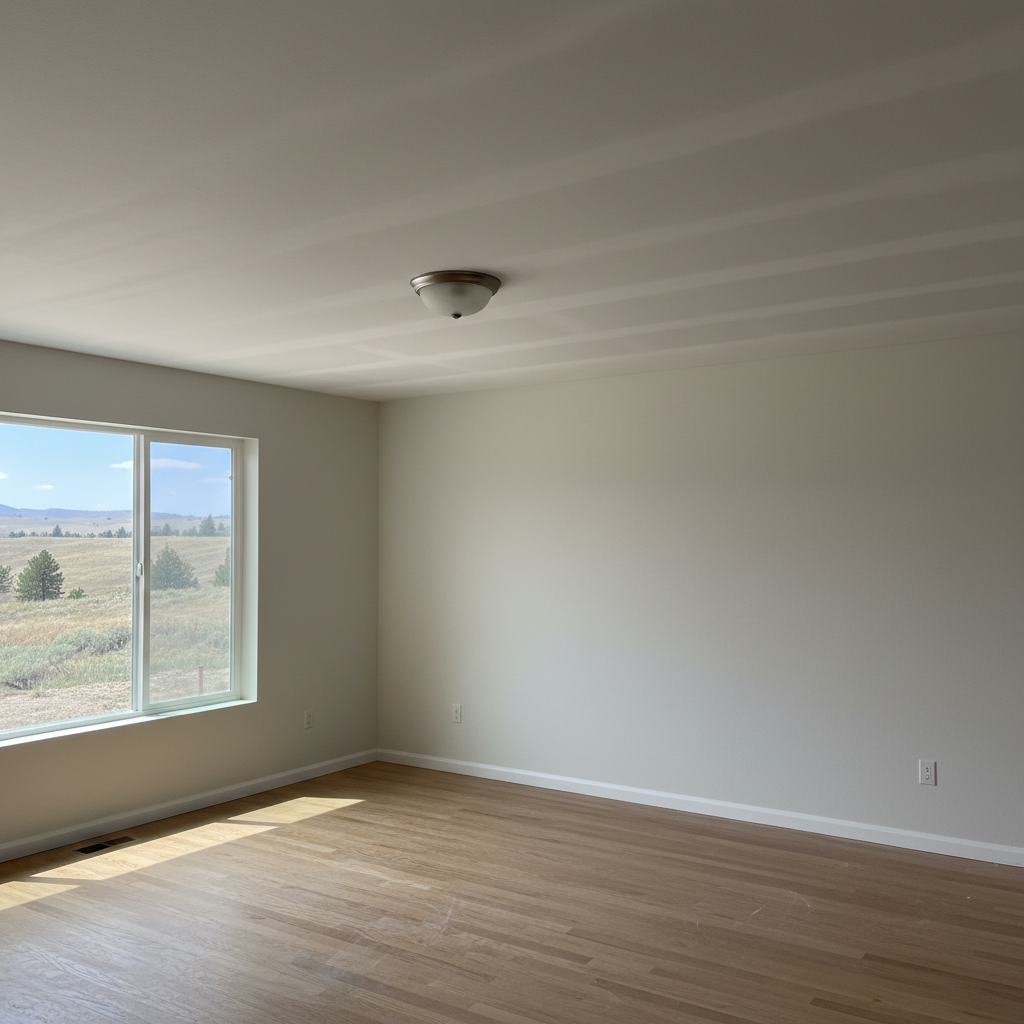
Alright, let's talk ceilings. Specifically, what it'll cost you to get new drywall up there. It's not as simple as a flat rate per square foot, and honestly, anyone who tells you it is probably isn't giving you the full picture. I've been doing this a long time around Eagle, and I've seen all sorts of projects, from small repairs to full custom homes out in Star and Middleton.
What Really Drives the Price Tag on Ceiling Drywall?
A few big things really push the cost up or down. You've gotta consider these before you even think about getting a quote:
- Ceiling Height: This one's a huge factor. Standard 8-foot ceilings are the easiest and cheapest to work with. But once you get into 9-foot, 10-foot, or even vaulted ceilings, it means more labor. Our guys need taller stilts, bigger ladders, sometimes lifts, and it just takes more time and effort to get those big sheets up there safely and accurately.
- Drywall Type & Thickness: Most homes use 1/2-inch drywall for ceilings, but sometimes 5/8-inch is a must. That's especially true for longer spans between joists to stop sagging, or for specific fire ratings. Thicker drywall costs more per sheet and is heavier, which means more labor for us. Moisture-resistant (often called green board) or fire-rated (Type X) drywall will also bump up your material cost.
- Level of Finish: This is critical. Are you painting it a dark color? Are you aiming for a perfectly smooth, museum-quality finish? Or will it be textured? A Level 4 finish (ready for paint) is pretty standard for most homes, but a Level 5 (that's a skim coat over the entire surface) is for those really high-end, smooth ceilings that show every tiny imperfection. The higher the level, the more mudding, sanding, and labor we put in.
- Accessibility & Layout: A big, open living room ceiling is way easier than a bunch of small rooms with lots of angles, soffits, or bulkheads. Every single cut, every corner, every seam adds time. If we're working around a bunch of existing fixtures, ductwork, or in a really tight space, that definitely adds to the complexity.
- Demolition & Disposal: If we're tearing out old lath and plaster or damaged drywall, that's extra time and a cost for disposal. We've seen some old homes in the older parts of Eagle, near the river, with some truly tough demo jobs.
Typical Cost Ranges in Eagle, ID
Okay, let's get down to some numbers. Keep in mind these are just averages, and your specific project could be higher or lower. I'm talking about installation only here, including materials, hanging, taping, mudding, and sanding to a Level 4 finish. Painting, by the way, is usually a separate trade.
For standard 8-9 foot ceilings, you're generally looking at $2.50 to $4.50 per square foot. So, for a typical 12x15 foot room (that's 180 sq ft), you'd be looking at roughly $450 to $810 just for the ceiling.
If you've got higher ceilings (10+ feet) or vaulted ceilings, that range jumps to about $4.00 to $7.00+ per square foot. A 20x20 foot vaulted great room (400 sq ft) could easily be $1,600 to $2,800 or more just for the drywall work.
These numbers cover the drywall sheets, screws, tape, mud, and the labor for installation and finishing. They don't usually include paint, texture application (like knockdown or orange peel), or any specialized scaffolding rental if the height is extreme.
What Should a Good Quote Include?
When Midway Drywall gives you a quote, or really anyone else for that matter, make sure it's clear. You want to see:
- Square Footage: The total area of the ceiling being drywalled.
- Drywall Type & Thickness: For instance, 1/2-inch standard, or 5/8-inch fire-rated.
- Level of Finish: This should explicitly state Level 4 (paint ready) or Level 5 (smooth finish).
- Materials: Drywall sheets, screws, tape, joint compound.
- Labor: Hanging, taping, mudding, sanding.
- Cleanup & Debris Removal: Who's responsible for hauling away the mess?
- Timeline: A rough estimate of how long the job will take.
- Payment Schedule: How much upfront, progress payments, and the final payment.
Don't just accept a number, okay? Ask questions if something isn't clear. A good contractor will be happy to explain everything.
How to Avoid Overpaying for Ceiling Drywall
You don't want to get ripped off, but you also don't want to hire the cheapest guy who's going to leave you with a wavy ceiling. Here's what I recommend:
- Get Multiple Bids: Three quotes is a good number to aim for. Don't just compare the bottom line; compare what's actually included in each bid.
- Check References & Reviews: A contractor's reputation is everything. Ask for local references, check online reviews.
- Be Clear About Expectations: If you want a perfectly smooth ceiling, say so upfront. Don't assume. The more detailed you are, the less chance for misunderstandings later.
- Understand the Finish Level: This is where a lot of misunderstandings happen. If you're expecting Level 5 and only paying for Level 4, you're going to be disappointed.
- Avoid Cash Deals with No Paperwork: This is a huge red flag. Always get a written contract. It protects both you and the contractor, plain and simple.
Ultimately, a good ceiling drywall job is an investment in your home's appearance and value. It's not something you want to skimp on. Take your time, do your homework, and you'll get a finish you're happy with.