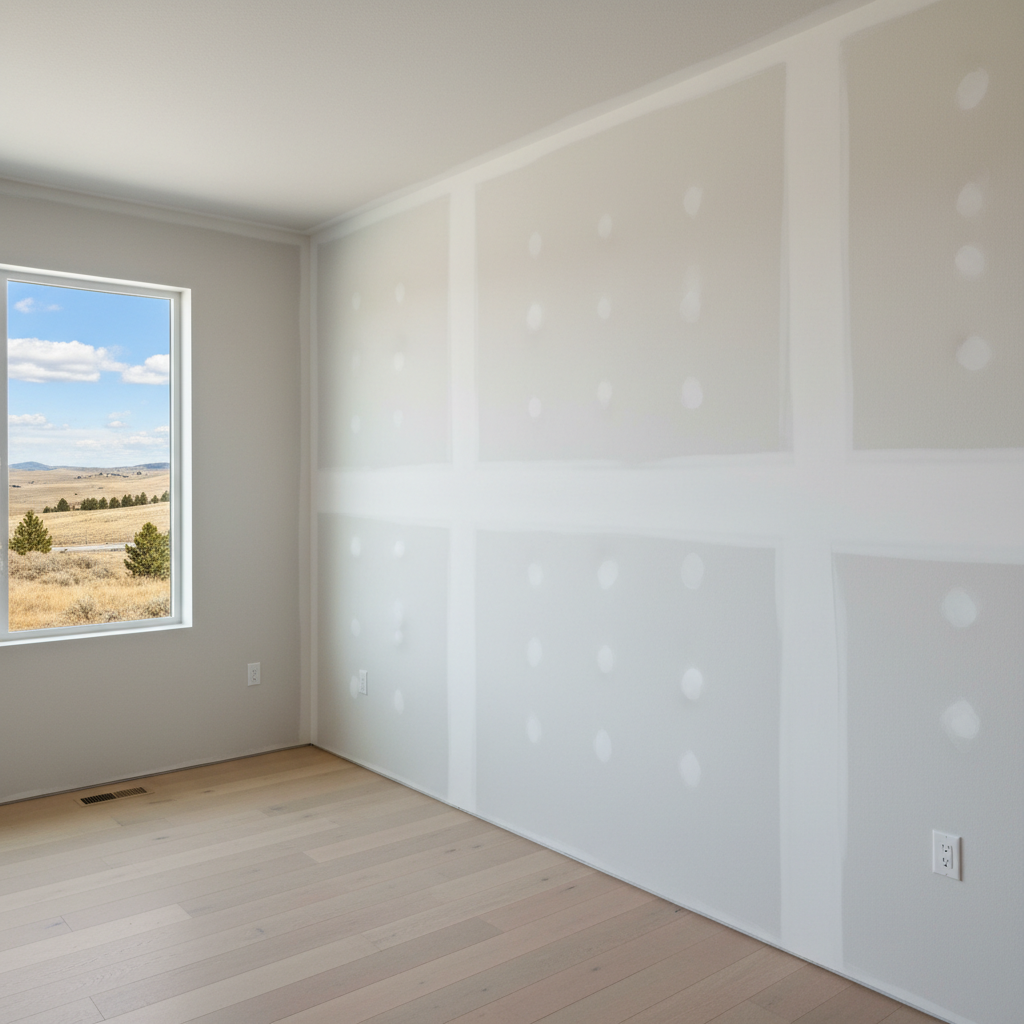
You just had your drywall taped and mudded, or maybe you bought a home with fresh walls. Either way, you want that smooth finish to last, right? It's not just about how good it looks today; it's about making sure it holds up against the wear and tear of daily life and, let's be honest, Idaho's crazy weather.
Extending the Life of Your Drywall Finish
The good news is, extending the life of your drywall's taping and mudding isn't rocket science. A lot of it comes down to common sense and preventing common issues before they start. Here's what I tell folks:
Control Humidity: This is huge, especially here in Eagle. Our climate swings from dry, cold winters to hot summers. Drywall and mud don't like drastic humidity changes. If your home gets too dry, the mud can shrink and crack. Too humid, and you might see tape lifting or even mold. Aim for a consistent indoor humidity level, ideally between 30-50%. A humidifier in winter and good ventilation in summer, especially in bathrooms and kitchens, makes a big difference.
Mind the Temperature: Similar to humidity, extreme temperature fluctuations can stress your walls. Keep your home at a relatively stable temperature. Don't let it get freezing cold in winter if you're away for an extended period, and don't let it bake in summer without some AC running.
Protect from Impacts: This one's obvious, but worth mentioning. Every ding, dent, or scrape weakens the finish. Be careful moving furniture. Use doorstops to prevent doorknobs from punching holes. If you've got kids or pets, you know the drill – sometimes you just gotta patch it up when it happens.
Proper Painting: When it's time to paint, don't skimp on prep. A good primer seals the mud and creates a consistent surface for the paint. Quality paint also offers better protection and durability.
Regular Maintenance: What You Should Be Doing
You don't need to inspect your walls with a magnifying glass every day, but a quick once-over now and then can save you headaches later. Here's what regular maintenance looks like:
Dust Regularly: Dust and cobwebs can accumulate, especially in corners and along ceiling lines. A soft brush or a vacuum with a brush attachment works wonders. It keeps things looking clean and lets you spot any issues early.
Clean Gently: For smudges or light marks, use a soft, damp cloth with a mild, non-abrasive cleaner. Don't scrub aggressively, especially on flat or matte paints, as you can rub off the finish or even damage the mud underneath. Always test in an inconspicuous spot first.
Seasonal Checks: I recommend doing a more thorough check twice a year – maybe in the spring and fall. Look closely at seams, corners, and around windows and doors. These are common spots for movement and stress. Pay attention to areas near exterior walls, especially if you live in one of those older homes in the North End where foundations can shift a bit.
Warning Signs of Drywall Problems
Your walls will usually tell you when something's wrong. You just need to know what to look for. Don't ignore these signs:
Cracks: Hairline cracks are pretty common, especially in older homes or new builds as they settle. Small ones might just need a little caulk and paint. But if you see cracks that are wider than a credit card, running across ceilings, or appearing in multiple places, that could indicate structural movement or a bigger issue. Vertical cracks often mean settlement; horizontal ones can point to framing issues.
Bubbling or Peeling Tape: This is a classic sign of moisture problems or poor adhesion during installation. If the tape is bubbling, it means the mud underneath is losing its grip, often due to water damage or high humidity.
Discoloration or Stains: Yellow, brown, or dark spots usually mean water damage. Find the source of the leak immediately! Black spots could be mold, which is a health concern and needs professional remediation.
Soft Spots: If you press on the drywall and it feels soft or spongy, that's a definite sign of water damage. The paper facing and gypsum core are getting saturated and breaking down.
Nail Pops: These are those little bumps where a nail or screw head pushes through the mud and paint. They're usually caused by wood framing shrinking and expanding behind the drywall. They're mostly cosmetic but can be annoying.
When to Call a Professional
Look, some things you can DIY. A small crack, a minor scuff – you can probably handle that with some joint compound and paint. But there are times when you really should call in someone like us at Midway Drywall.
Extensive Cracking: If you've got widespread, large, or recurring cracks, especially if they're getting bigger, it's time for a pro. We can assess if it's just settling or something more serious, and we've got the tools and experience to repair it properly so it doesn't just come back.
Water Damage: If you've got significant water stains, soft spots, or bubbling tape from a leak, you need a professional. Not only can we repair the drywall, but we can also help you figure out if there's mold and how to deal with it safely.
Large Holes or Damage: A fist-sized hole might be a DIY job, but anything bigger or more complex, like a section of wall that's been ripped out, is best left to experienced hands. We can patch it seamlessly so you won't even know it was there.
Persistent Issues: If you've tried to fix a problem yourself and it keeps coming back – like a crack that reappears after you've patched it – that's a sign you need a professional diagnosis and repair. Sometimes it's about getting the right materials or techniques for the specific problem.
Any Structural Concerns: If you suspect the drywall issues are related to foundation problems, shifting walls, or other structural concerns, call a general contractor or structural engineer first. They can address the root cause, and then we can come in to fix the cosmetic damage.
Taking care of your drywall isn't glamorous, but it's essential for maintaining your home's value and appearance. A little attention goes a long way in keeping those walls looking good for years to come.