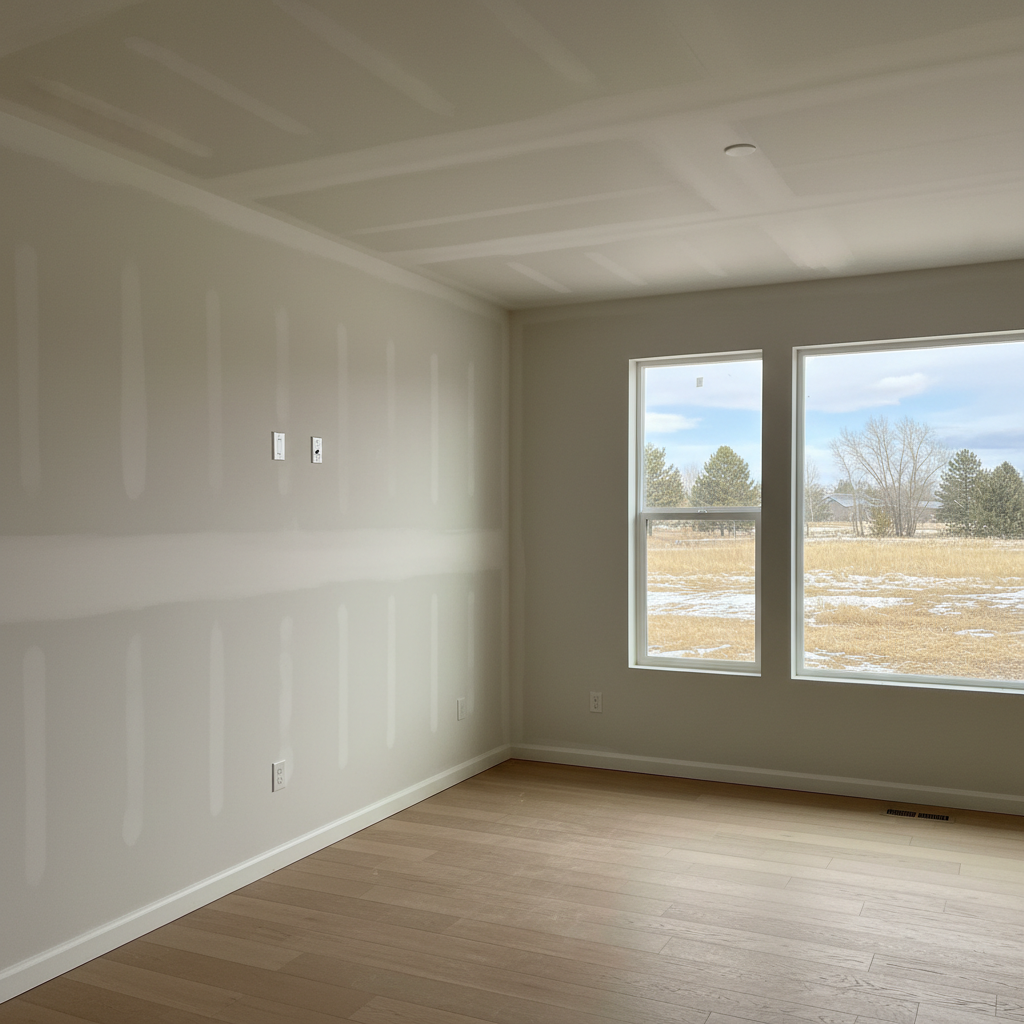
Alright, let's talk about drywall here in Eagle, Idaho. You might think drywall is just drywall, and that's a fair assumption. But honestly, our local climate actually plays a much bigger role than you'd probably imagine in how it performs. This is especially true when it comes to getting it installed right and then keeping it looking good for years to come. I've seen it all over the years, from our dry, hot summers to those cold, snowy winters we get, and trust me, paying attention to the seasons can save you a real headache down the line.
When's the Best Time for Drywall Work?
If you're planning a new installation or maybe a bigger repair project, timing is everything. Drywall and joint compound are pretty sensitive to temperature and humidity, which makes sense when you think about it. The sweet spot for installation is generally when temperatures are between 55°F and 75°F, with relative humidity staying somewhere between 40% and 60%. These conditions are key because they let the joint compound cure properly, which helps prevent shrinking later on. Ultimately, this helps us get that smooth, flawless finish you're really after.
- Spring (April-May) and Fall (September-October): These times are often ideal, in most cases. Eagle usually gets pretty mild temperatures during spring and fall, and there's less extreme humidity to deal with. This means the materials can dry and set just right, without being rushed or slowed down too much. It's a nice balance.
- Summer (June-August): Our summers here are hot and dry, with July often hitting 91°F. While that low humidity can actually be a good thing for drying, extreme heat can cause drywall to expand. Then, as it cools, it contracts, which sometimes leads to hairline cracks. If we get a sudden spike in humidity, that's another problem entirely, because drywall can absorb moisture and expand, leading to warping or bloating. If you're doing work in the summer, good ventilation is really key, and sometimes you might even need temporary dehumidification.
- Winter (November-March): This is where things get a bit tricky. Eagle winters are cold, with December lows often around 24°F. Drywall and joint compound shouldn't be applied to cold or damp surfaces, period. The room temperature needs to be at least 50°F (and ideally 55°F) for joint compound to cure correctly. If it freezes, the bond strength can be lost, and then you're looking at having to replace it all. If you're building in winter, we'll need to make sure the space is properly enclosed and heated, and that there's enough ventilation to prevent moisture buildup from any temporary heat sources.
Weather Woes and Your Walls: What to Watch Out For
Drywall isn't as static as you might think it is. It's actually part of a living structure that expands and contracts with changes in temperature and humidity, just like the rest of your home.
Cracking
You've probably seen those hairline cracks, especially around corners or ceiling seams in older homes. In winter, when we crank up the heat, the warm, dry air can cause the wood framing and drywall to lose moisture and shrink. This differential movement leads to cracks. Even in summer, extreme dry heat can cause the paper facing to shrink, exposing joints. While some small cracks are just normal seasonal movement, larger or growing cracks can signal bigger issues that need attention.
Warping and Bloating
High humidity, though less common in Eagle than in other places, can still be a problem. When drywall absorbs too much moisture, it can soften, expand, and then warp or bloat. This is why you really want to avoid installing drywall in damp conditions. If you've got a leaky roof or plumbing, fix it fast! Prolonged moisture exposure can make drywall crumble and, even worse, lead to mold growth.
Protecting Your Drywall Investment Year-Round
Here's what you can do to keep your walls looking great, no matter what the Eagle weather throws at them:
- Maintain Consistent Indoor Conditions: This is probably the biggest one, honestly. Aim for indoor temperatures between 55°F and 75°F and relative humidity between 40% and 60%. A humidifier in winter can help combat the dry air that causes shrinkage and cracking. A dehumidifier in summer can help if things get unusually muggy, which happens more than you'd think.
- Proper Ventilation: Good airflow is really important, especially in bathrooms and kitchens where moisture tends to build up. Make sure exhaust fans are working well and actually getting that moist air out.
- Seal Air Leaks: Gaps and cracks in your home's envelope can let moisture in. Seal them up to protect your drywall from outside elements.
- Good Insulation: Insulation isn't just for keeping your home warm or cool; it also helps regulate temperature and humidity inside, acting as a shield for your drywall. In older homes, especially those in areas like the older parts of Eagle with less solid insulation, this can make a huge difference.
- Address Leaks Immediately: Any water intrusion, whether it's from a roof leak or a plumbing issue, needs to be handled pronto. Water and drywall are definitely not friends.
Look, I'm not saying you need to become a weather expert overnight, but understanding how our local climate impacts your drywall can help you make smarter decisions. If you're ever unsure about a project or start to notice issues, don't hesitate to give us a call at Midway Drywall. We've been working on homes around Eagle for a long time, and we know how to handle whatever Mother Nature sends our way.