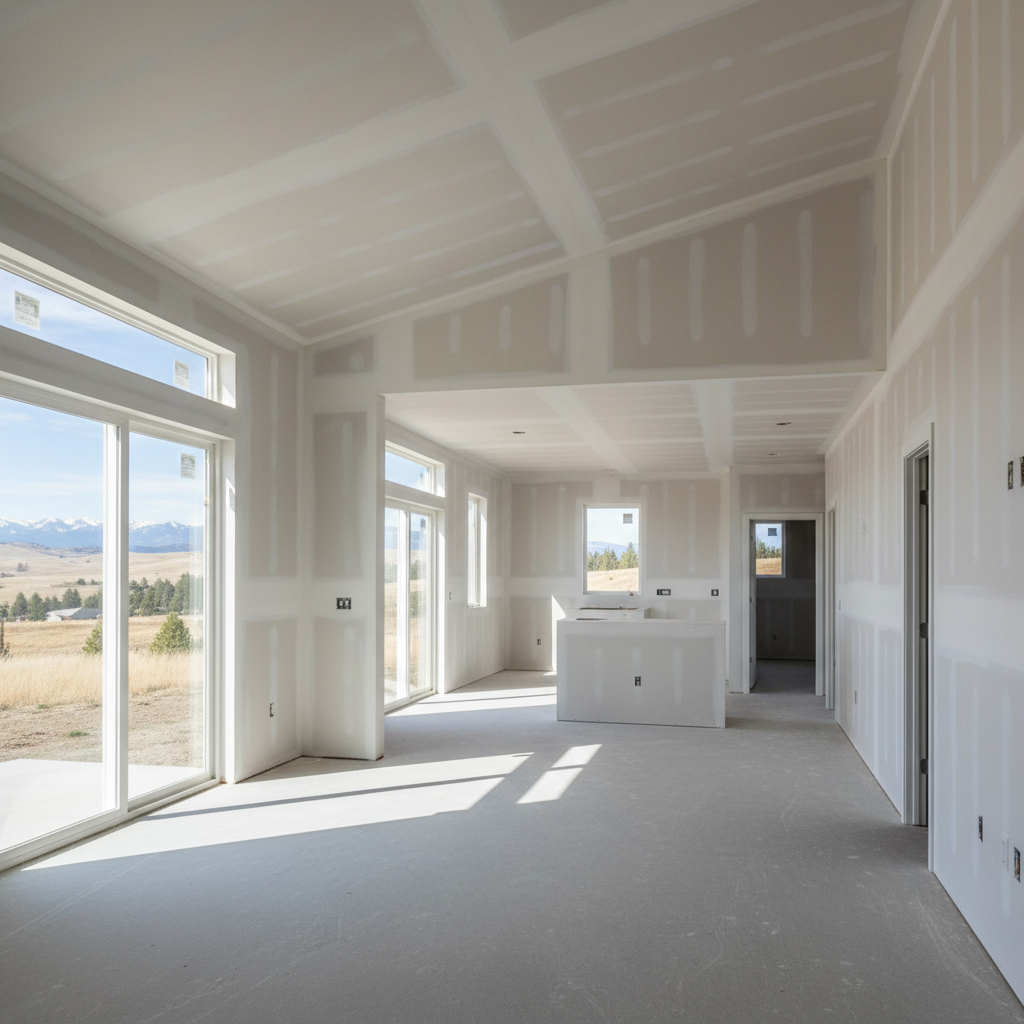
Alright, so you're looking at a sheetrock project for your place here in Eagle, Idaho. Maybe it's a brand new build, you're finally finishing that basement, or you're deep into a remodel. Whatever the job, getting your walls and ceilings right is a pretty big deal. It's not just about slapping up some boards, you know? It's really about laying the groundwork for how your whole home will look and feel. A good drywall job makes everything else — your paint, trim, cabinets — look absolutely fantastic. A bad one? Well, you'll be staring at those wavy walls for years, won't you?
I've been in this business for a long time, and I've seen plenty of folks jump into these projects without a clear idea of what's actually involved. That usually leads to headaches, delays, and, of course, extra costs. So, let's talk about how to plan this out. The goal is for your sheetrock installation to go as smoothly as possible.
Understanding the Timeline: It's Not an Overnight Job
First off, don't expect your sheetrock to be up and ready for paint in just a couple of days. This is a multi-step process, and every single step needs its own time, especially for drying. Here's a general breakdown:
- Delivery & Hanging (1-3 days, depending on size): This is when the actual sheetrock boards go up. We'll get them delivered, carry them in (which can be quite a workout, especially those 12-footers!), and screw them to the framing. This part moves pretty quickly once we get started.
- Taping & First Coat of Mud (1-2 days): Once the boards are up, we start taping the seams and putting on the first layer of joint compound, or 'mud.' This step is super important for strengthening the joints and beginning to smooth everything out.
- Drying Time (12-24 hours per coat): This is where you really need some patience. The mud has to dry completely between coats. If you try to rush this, you'll end up with cracks and other problems down the road. Depending on the humidity in your home — especially during our wet spring months here in Eagle — this can sometimes take a bit longer.
- Second Coat of Mud (1-2 days): We'll put on another layer, feathering it out wider to blend the seams even more.
- More Drying Time (12-24 hours): Yep, let it dry again.
- Third (or Finish) Coat of Mud (1-2 days): This is the final smoothing coat. It's all about getting that perfect, seamless finish.
- Final Drying Time (12-24 hours): You guessed it – more drying.
- Sanding (1 day): This is the dusty part. We'll sand everything smooth, making sure there are no bumps or ridges.
- Cleanup & Inspection: We'll clean up the dust and do a final walkthrough with you.
So, for an average room or even a small basement, you're looking at least a week, often closer to two, from start to finish. For a whole house, plan on several weeks.
What to Expect During the Process
It's going to get messy before it gets clean. When we're hanging, there will be dust from cutting boards. When we're sanding, well, there will be a lot of fine dust everywhere. We do our best to contain it, but it's just part of the job. You'll also hear a lot of noise — drills, saws, and the general sounds of construction. If you're living in the house while this is happening, plan for some disruption.
We'll need access to electricity and water. Good ventilation is also key, especially when things are drying. Don't be surprised if we open some windows or run fans, even if it's chilly outside. This really helps the mud dry properly.
How to Prepare Your Home for Sheetrock Installation
Preparation makes a huge difference. Here's what you can do:
- Clear the Area: Remove all furniture, decorations, and anything else from the rooms where work is being done. If something can't be moved, cover it thoroughly with plastic sheeting.
- Protect Your Floors: We'll put down drop cloths, but if you have delicate flooring, you might want to add extra protection like cardboard or heavier coverings.
- Secure Valuables: Move anything valuable or sentimental out of the work zone. Even with the best precautions, accidents can happen.
- HVAC: If you have central air, consider turning off your system or covering vents during sanding. This helps stop dust from circulating throughout your house.
- Pets & Kids: Keep pets and small children away from the work areas. It's safer for them, and it lets us work more efficiently.
- Utilities: Make sure there's accessible power and water. If you're in a new build, we'll need a temporary power setup.
Questions to Ask Before Signing a Contract
Don't just go with the first quote you get. Ask questions! Any reputable contractor, like us at Midway Drywall, will be happy to answer them. Here are some critical ones:
- What's your estimated timeline for my specific project? Get a clear start and end date range.
- What level of finish do you provide? (e.g., Level 4, Level 5). Make sure it matches your expectations, especially if you're planning dark paint or glossy finishes.
- Do you handle all necessary permits? For bigger jobs, permits might be required.
- What's included in the quote? Does it cover materials, labor, cleanup, and disposal? Are there any hidden fees?
- How do you handle dust containment and cleanup? Get specifics on their process.
- What's your payment schedule? Most contractors require a deposit upfront, then progress payments as the job moves along.
- Do you carry insurance? Ask for proof of liability insurance and workers' compensation. You definitely don't want to be on the hook if someone gets hurt on your property.
- Can you provide references? Talk to past clients to hear about their experience.
- What's your warranty on the work? A good contractor stands behind their craftsmanship.
Taking the time to plan and ask these questions upfront will save you a lot of grief and ensure you get the beautiful, smooth walls you're expecting. It's your home, after all, so make sure you're comfortable with the process and the people doing the work.