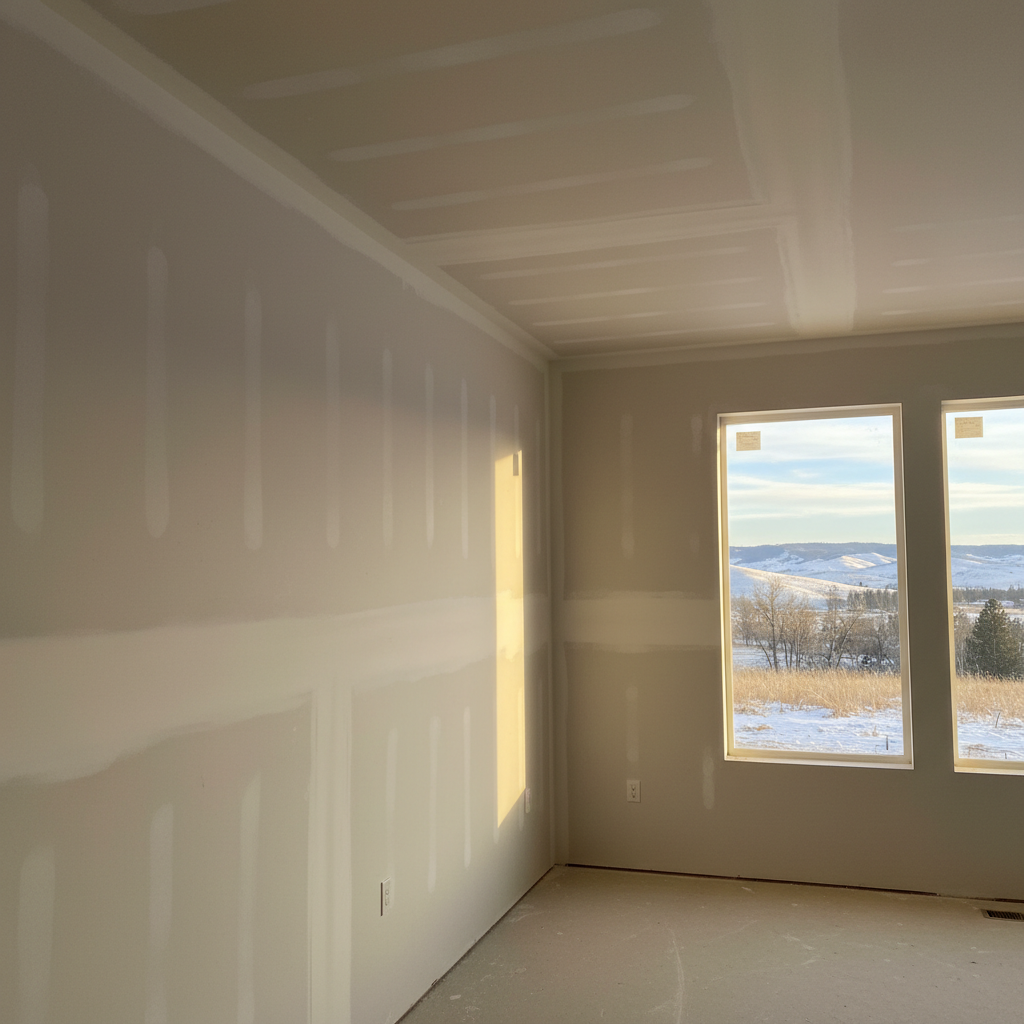
You've just invested in beautiful new sheetrock, maybe from us at Midway Drywall, or you're living in a home where it's been installed for a while. Either way, you want it to last, right? It's not just about how it looks the day it's finished; it's about keeping it that way, especially with our crazy Idaho weather.
Extending the Life of Your Drywall
The biggest thing you can do to make your drywall last is to control the environment inside your home. Our dry summers and cold winters here in Eagle mean your house is constantly expanding and contracting a bit. That's just how materials work. Maintaining a consistent temperature and, more importantly, consistent humidity levels is key. Aim for something between 30% and 50% humidity. In the summer, you might need a dehumidifier, especially if you're near the river or have a swamp cooler running. In winter, a humidifier can prevent the air from getting too dry, which can lead to cracks, especially around windows and doors.
Another simple thing? Be gentle. I know it sounds obvious, but bumps and scrapes happen. When you're moving furniture, hang a blanket over the corners of your walls. If you've got kids, maybe consider a tougher paint finish in high-traffic areas. It won't stop a baseball through the wall, but it'll protect against everyday scuffs.
Regular Maintenance: It's Simpler Than You Think
Maintaining your sheetrock isn't some huge, complicated chore. Most of it comes down to being observant and proactive.
- Keep it clean: Dust builds up, even on walls. A soft cloth or a duster with an extendable handle works wonders. For smudges, a little warm water and mild soap on a sponge usually does the trick. Just don't oversaturate the drywall; it's basically paper and gypsum, remember?
- Touch-up paint: Keep a small can of your wall paint. Scratches and small dings are inevitable. A quick touch-up can make them disappear before they become noticeable. Just make sure the surface is clean before you paint.
- Check your caulk: Around windows, doors, and trim, caulk seals gaps. Over time, it can dry out, crack, or pull away. This isn't strictly a drywall issue, but it can let moisture in or lead to drafts that cause temperature fluctuations, which then affect your drywall. Re-caulk as needed.
Warning Signs of Trouble
Your walls will tell you when something's wrong, if you know what to look for. Don't ignore these things; they usually get worse, not better.
- Cracks: Small hairline cracks, especially in corners or around door frames, can be normal settling. But if they're getting wider, longer, or showing up in the middle of a wall, that's a red flag. Vertical cracks often point to foundation issues, while horizontal cracks might indicate framing problems or water damage.
- Discoloration or stains: Yellow, brown, or dark spots are almost always a sign of water. This could be a leaky pipe inside the wall, a roof leak, or even condensation buildup. Don't just paint over it; find the source of the water first.
- Soft spots or bulging: If you press on the wall and it feels soft, or if you see a section that's clearly bulging outwards, that's a serious sign of water damage or structural issues behind the drywall.
- Peeling or bubbling paint: Again, this often points to moisture. The paint isn't adhering because there's water pushing it away from the surface.
- Nail pops: These are those little bumps where a nail or screw head is pushing through the paint. They happen when the wood framing behind the drywall shrinks or expands. A few here and there aren't usually a huge deal, but a sudden increase or a lot in one area could indicate more significant movement.
When to Call a Professional
Look, I'm a big believer in DIY, but there are times when you just need to call in the pros. If you see any of those serious warning signs – widespread cracking, significant water stains, soft spots, or bulging – don't try to fix it yourself unless you're absolutely sure of the cause and how to properly remedy it. You could be dealing with structural problems, serious leaks, or even mold, especially in older homes in areas like the Legacy neighborhood where things have settled over decades.
A professional, like us at Midway Drywall, can assess the situation, figure out the root cause, and make sure the repair is done right. Patching a small hole is one thing, but dealing with extensive water damage or structural cracks requires expertise to prevent future problems and ensure your home's integrity. It's usually cheaper in the long run to get it fixed right the first time than to keep patching over a bigger issue.
Your drywall is a big part of your home's appearance and protection. A little attention goes a long way in keeping it looking good and performing its job for many years to come.